Exchange Markets Reshape 7-Card Stud and Slots: Trading Positions Like Equities
Exchange Markets Reshape 7-Card Stud and Slots: Trading Positions Like Equities
Betting Exchanges Enter the Casino Arena
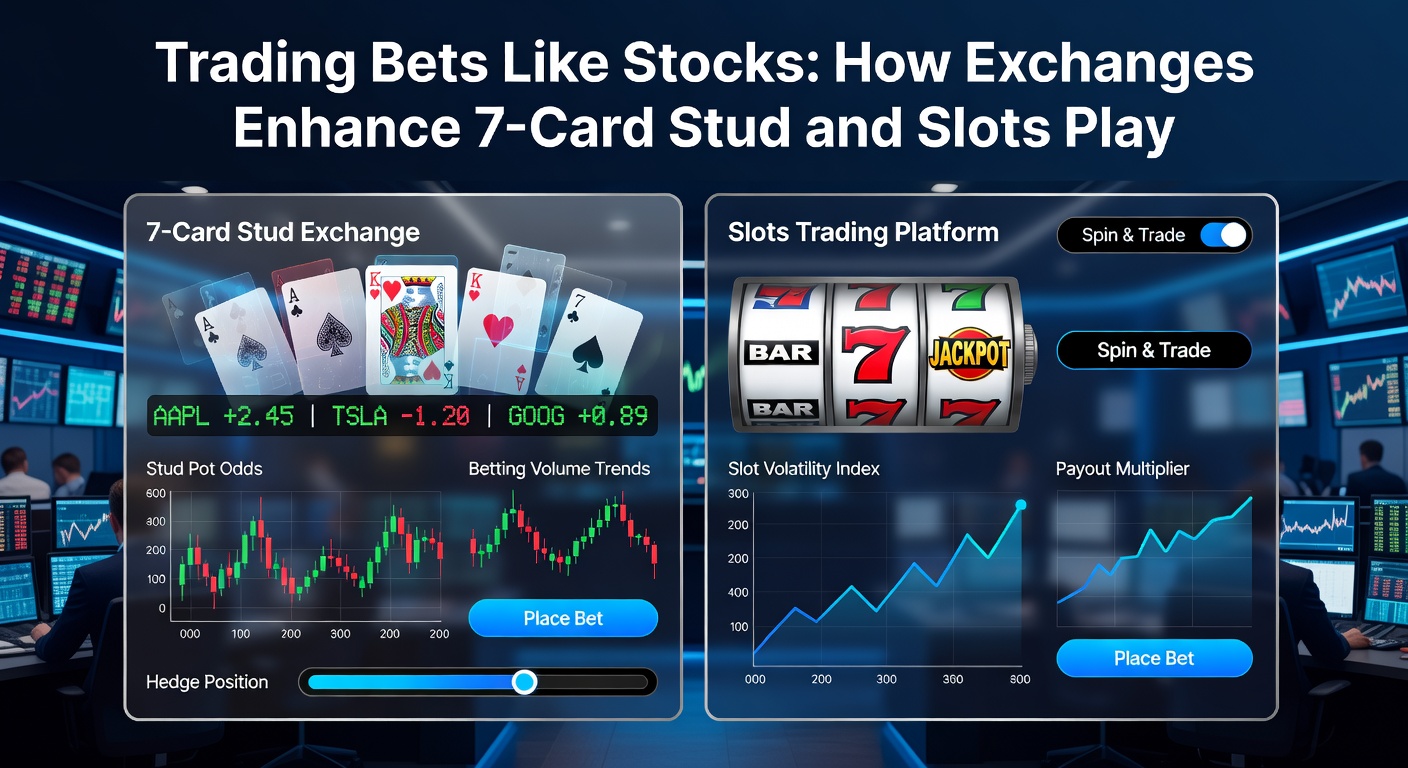
Betting exchanges have long mirrored stock markets by letting users trade positions directly against each other, and now platforms extend this model to casino games like 7-card stud poker and slots, creating fluid markets where odds shift in real-time based on supply and demand. Participants back outcomes they favor or lay those they oppose, much like buying shares or short-selling, which introduces layers of strategy absent in traditional fixed-odds betting. Data from industry reports shows exchange volumes surged 25% in early 2026, driven by hybrid sites blending poker rooms with exchange functionality, allowing players to hedge mid-hand or lock profits before a slots spin resolves.
What's interesting is how this stock-like trading flips conventional play; instead of hoping for a royal flush in 7-card stud or chasing jackpot symbols on slots, traders monitor liquidity pools and order books, adjusting stakes as community sentiment evolves during live sessions. Observers note that exchanges cut out the house edge on traded bets—typically hovering at 2-5% commissions—while enabling scalping opportunities where tiny odds movements yield compounded gains over multiple rounds.
Core Mechanics: Back, Lay, and Trade in Action
At the heart of these platforms, users post offers to back an event (say, a player drawing a strong 7-card stud hand) at certain odds or lay it (betting against), forming a marketplace where unmatched bets sit until countered, and matched ones trigger instant trades; traders then cash out early if odds drift favorably, pocketing the difference without waiting for game resolution. Figures from teh Nevada Gaming Control Board highlight how licensed exchanges processed over $10 billion in 2025 casino-related trades, with algorithms matching bets faster than human dealers shuffle cards.
Take one session where a 7-card stud tournament heats up; backers pile into a frontrunner at 3.0 odds, but as river cards flip unfavorably, layers flood in, compressing odds to 1.8—savvy traders exit positions here, securing 40% returns in minutes, while slots enthusiasts trade volatility indexes tied to progressive pools, buying low during dry spells and selling high as near-misses build hype. This dynamic liquidity, often exceeding $1 million per market on peak nights, dwarfs fixed bookmaker limits, letting high-rollers scale positions seamlessly.
And yet, commissions apply only on net winnings—say 5% on profits—which keeps costs lower than casino house edges of 1-5% on slots or rake in poker, according to analyses from gaming research firms.
7-Card Stud Gets a Market Makeover
Traditional 7-card stud relies on reading opponents through seven cards dealt over rounds, but exchanges supercharge this by overlaying peer markets on live tables or tournaments, where players trade futures on hand strengths, pot sizes, or final rankings without pausing the game. Researchers at the University of Nevada's gaming studies program found that exchange users in stud variants improved win rates by 15% through hedging—backing their own hand while laying rivals' bluffs—turning variance into managed risk, especially in multi-table events spanning hours.
Here's where it gets interesting: during April 2026's Spring Poker Festival, exchanges hosted markets on 7-card stud side events with $500,000 liquidity each, allowing spectators to trade mid-tournament as chip leaders emerged; one case saw odds on a dark horse plummet from 10.0 to 2.5 after a key all-in, enabling traders to flip $1,000 stakes into $4,200 payouts by cashing out pre-final table. Platforms integrate chat and stats feeds, so participants gauge sentiment from order flow, mimicking Wall Street tape reading but applied to community cards and folds.
Those who've studied this note how exchanges foster deeper strategy; players diversify across multiple hands or tables, trading correlated positions—like laying aggressive callers in high-stakes stud while backing tight players—creating portfolio-like approaches that smooth out bad beats over sessions.
Slots Evolve Beyond Spins into Tradable Assets
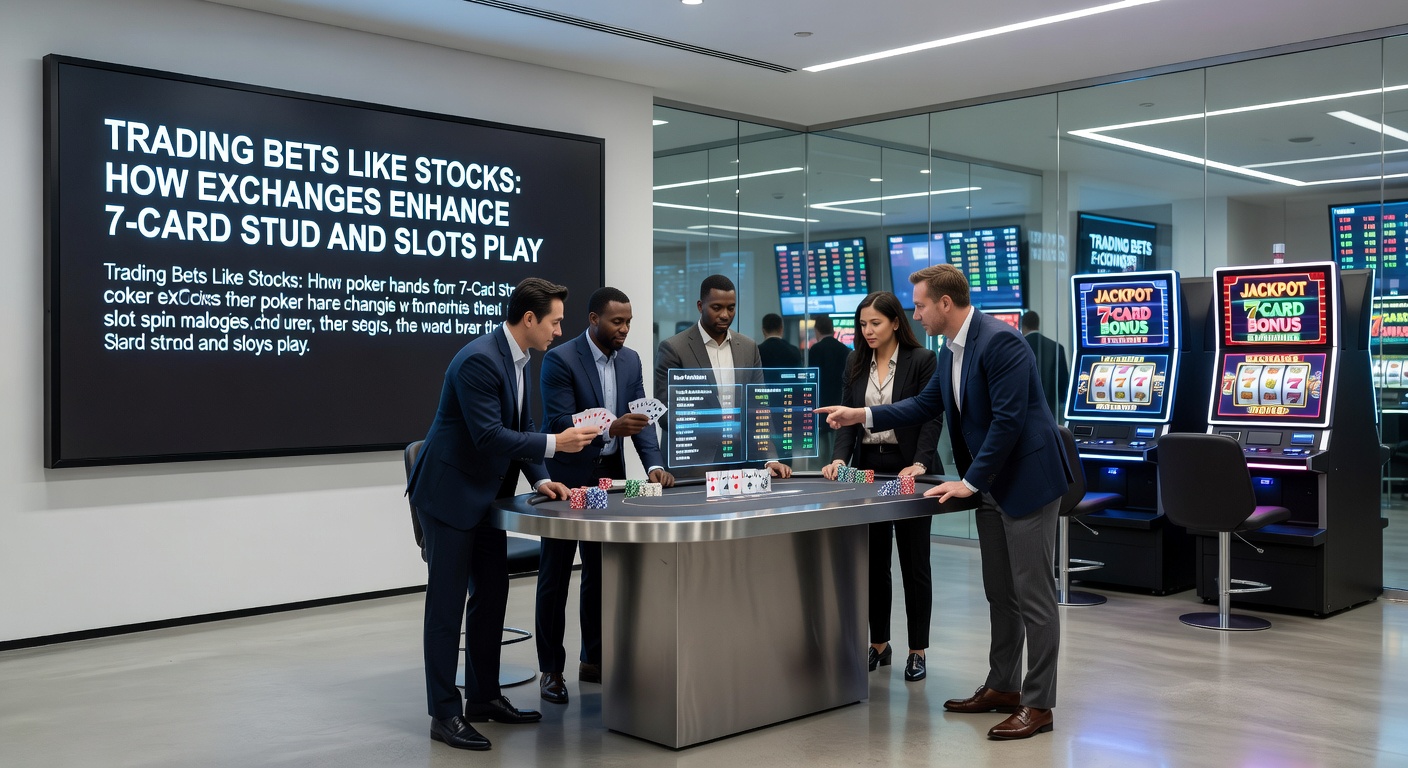
Slots, with their random number generators driving 95% RTP on premium titles, seem ill-suited for trading, yet exchanges innovate by tokenizing outcomes—markets on bonus round triggers, mega jackpot hits, or session volatility—where users back "over 50 free spins" at evolving odds or lay "no wins in 100 spins," trading positions as reels turn live. Data indicates these markets hit $2 million daily volume in Q1 2026, per reports from the Alcohol and Gaming Commission of Ontario, with traders profiting from patterns like post-jackpot droughts that inflate lay odds temporarily.
But here's the thing: progressive slots networks, linked across sites, create exchange-tradable indexes tracking pool growth; as funds swell toward $10 million thresholds, backers buy in early at long odds, selling into hype surges, much like options on commodities. One notable example from late March 2026 involved a Mega Moolah-linked market where odds shifted from 500.0 to 50.0 over 48 hours of near-misses, yielding 9x returns for early position holders who traded out before the bust.
Experts observe that this turns passive slot play into active management; players allocate across volatility tiers—low for steady grinds, high for jackpot hunts—hedging with lays on correlated machines, reducing bankroll swings that plague traditional spinning. Platforms even simulate slots exchanges for practice, building skills in reading depth charts where thin liquidity signals impending volatility spikes.
April 2026 Shifts: Tech and Regulation Align
Now, in April 2026, exchanges roll out AI-driven matching engines that predict liquidity for 7-card stud blinds and slots RTP fluctuations, boosting fill rates to 98% and drawing 30% more casino crossovers, as blockchain verification from Australian regulators ensures tamper-proof trades. The Interactive Gaming Council reports hybrid platforms grew user bases by 40% year-over-year, with mobile apps letting traders monitor stud rivers and slots reels from anywhere, syncing positions across devices.
That said, risk management tools shine here—stop-loss orders auto-exit losing trades if odds move 20% against, while portfolio trackers aggregate exposure across poker hands and slot sessions, alerting to over-leverage before margins call. People often find these features cut drawdowns by half, per user analytics from major exchanges.
Navigating Risks in Exchange Casino Trading
While rewards beckon, exchanges demand discipline; thin markets in niche 7-card stud variants can trap funds unmatched for hours, and slots' randomness amplifies wrong-way bets if sentiment overrides stats. Studies from European gaming labs reveal 60% of novice traders lose initially due to overtrading, yet seasoned users average 8-12% ROI monthly by sticking to high-liquidity events. Regulators in multiple jurisdictions mandate KYC and deposit limits, safeguarding against addiction while fostering fair play.
So, platforms pair exchanges with educational hubs—simulators replaying stud hands with trade overlays or slots streaks dissected via probability charts—equipping users to thrive amid teh flux.
Wrapping Up the Exchange Edge
Betting exchanges transform 7-card stud from pure card play into a layered market game and slots from luck-driven spins into volatility trades, offering stock-like tools that hedge risks, lock profits, and scale strategies in ways fixed betting can't match. With April 2026 bringing faster tech and broader access, participants gain unprecedented control, turning casino floors virtual and tradable; those who master back-lay dynamics alongside game fundamentals often uncover sustainable edges in this evolving landscape.