11 Jun 2026
The Progression of Casino Guidelines Through Mybet and Europa in Various Global Settings
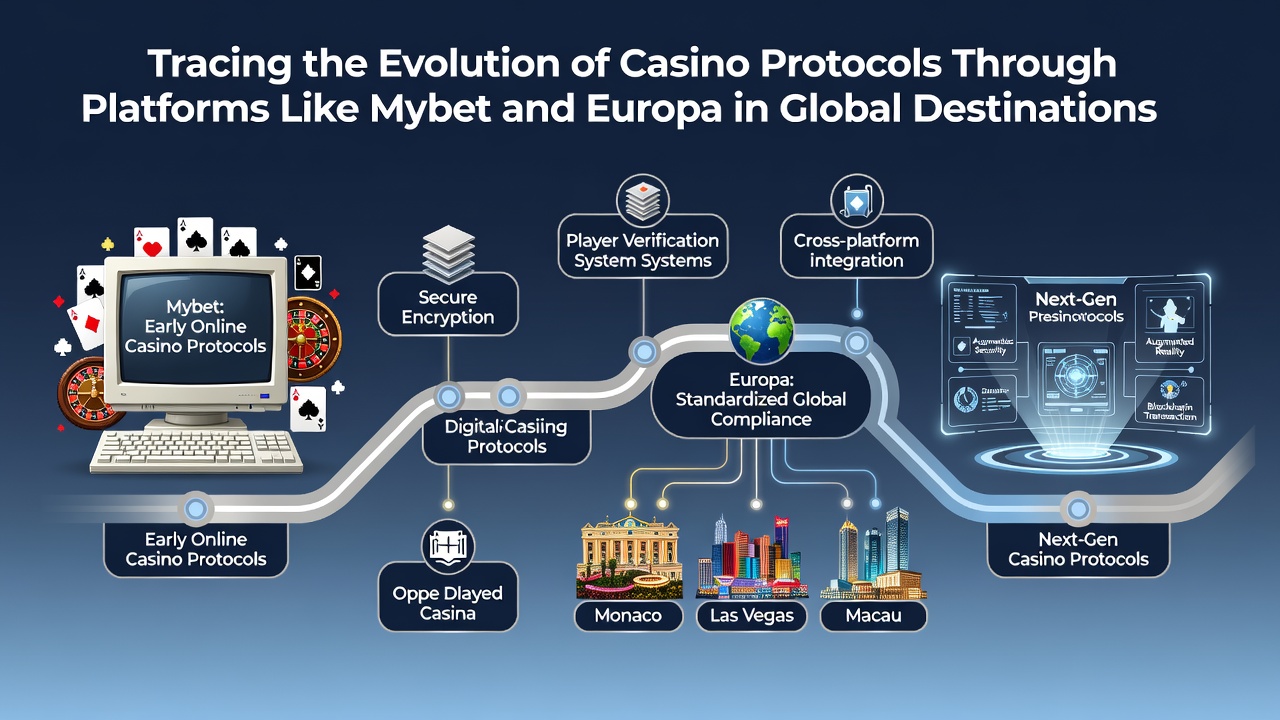
Online casino platforms have adapted their internal systems and compliance measures over the decades as regulatory frameworks expanded across continents, and operators such as Mybet alongside Europa illustrate this pattern through their licensing strategies and operational adjustments in multiple jurisdictions. Early digital gaming services relied on basic encryption and simple random number generators, yet as player bases grew and governments introduced stricter oversight, these platforms incorporated advanced verification tools, audit trails, and jurisdiction-specific reporting requirements to maintain operations in Europe, parts of Asia, and emerging markets in Latin America.
Initial Development Phases in European Markets
During the late 1990s and early 2000s, platforms entered markets where oversight remained fragmented, so Mybet and similar services established headquarters in locations offering early licensing such as Malta and the Isle of Man, which allowed them to test payment processing integrations and basic player protection measures while expanding reach into Germany and other neighboring countries. Data from industry reports indicate that transaction volumes increased steadily, prompting operators to adopt more robust anti-money laundering checks and age verification protocols that aligned with directives from the European Union on consumer safeguards. Europa followed comparable paths by securing multiple licenses across the continent, which enabled seamless cross-border play under harmonized technical standards for game fairness and data security.
Adaptations in Asia and Broader International Expansion
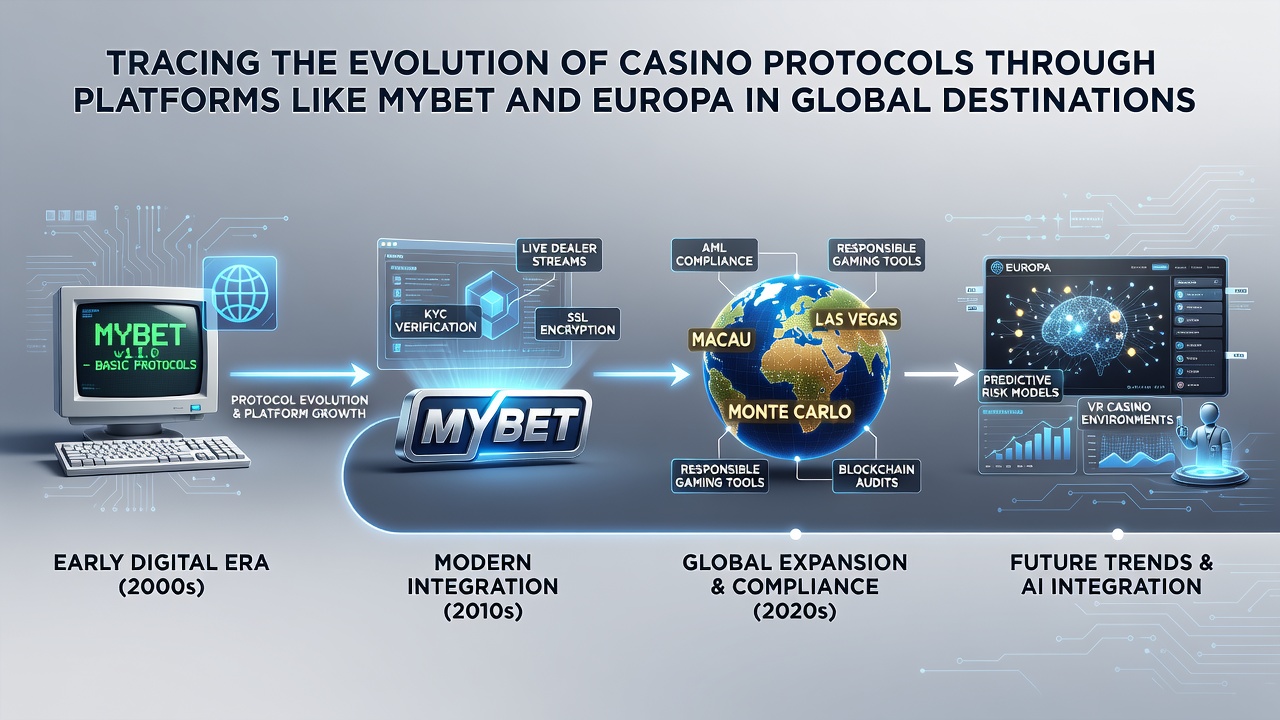
Expansion into Asian destinations required further protocol refinements because local regulations often emphasized strict financial controls and localized server requirements, therefore platforms integrated geo-fencing technologies and currency conversion systems that complied with rules in places like the Philippines and Malaysia. Researchers at institutions tracking gaming trends have noted that these adjustments helped operators sustain growth even as new tax structures emerged, while platforms simultaneously upgraded their customer support frameworks to handle disputes under varying legal systems. By the mid-2010s, both Mybet and Europa had incorporated blockchain-based transaction logging in select regions to enhance transparency, a step that aligned with pilot programs initiated by regulatory bodies in Canada and Australia.
Regulatory Milestones and Technical Upgrades Around 2026
June 2026 marks the scheduled rollout of updated digital identification standards in several Latin American countries, where platforms must now integrate real-time biometric authentication to meet new player protection mandates, and Mybet has already begun pilot testing these features in partnership with local authorities. Similar timelines appear in parts of Eastern Europe, where revised reporting intervals for jackpot payouts and bonus structures will take effect, prompting Europa to refine its backend systems accordingly. Figures from the European Gaming and Betting Association reveal that such synchronized updates across regions have reduced compliance discrepancies for multi-licensed operators, allowing smoother transitions without service interruptions.
Security and Fairness Protocol Refinements
Security enhancements evolved from basic SSL certificates to multi-layered approaches including end-to-end encryption and independent third-party testing, while operators responded to incidents in earlier years by implementing continuous monitoring dashboards that flag unusual betting patterns. Studies from the Australian Gambling Research Centre highlight how these measures correlate with lower dispute rates in licensed markets, and platforms like those mentioned have adopted similar frameworks to satisfy requirements from bodies in South Africa and Brazil. Game integrity protocols also advanced through certified random number generator standards that undergo quarterly audits, ensuring consistent outcomes across desktop and mobile interfaces.
Payment Systems and Cross-Border Compliance
Payment processing shifted from credit card dominance to include e-wallets, cryptocurrencies in permitted jurisdictions, and bank transfers with enhanced KYC layers, because regulators demanded clearer trails for fund movements. Mybet expanded its supported methods in response to directives from the Malta Gaming Authority and parallel agencies in Canada, whereas Europa aligned its withdrawal timelines with emerging rules in several Asian markets to avoid processing delays. These changes reflect broader industry patterns where platforms balance speed with verification depth to retain user engagement while meeting legal thresholds.
Conclusion
Platforms such as Mybet and Europa demonstrate how casino protocols have matured through successive regulatory waves across global destinations, incorporating technical safeguards, licensing adaptations, and reporting mechanisms that keep pace with evolving oversight. Continued developments scheduled for 2026 in multiple regions underscore the ongoing nature of these adjustments, supported by data from sources including the European Gaming and Betting Association and the Australian Gambling Research Centre.